
Quiet Growth After Fire
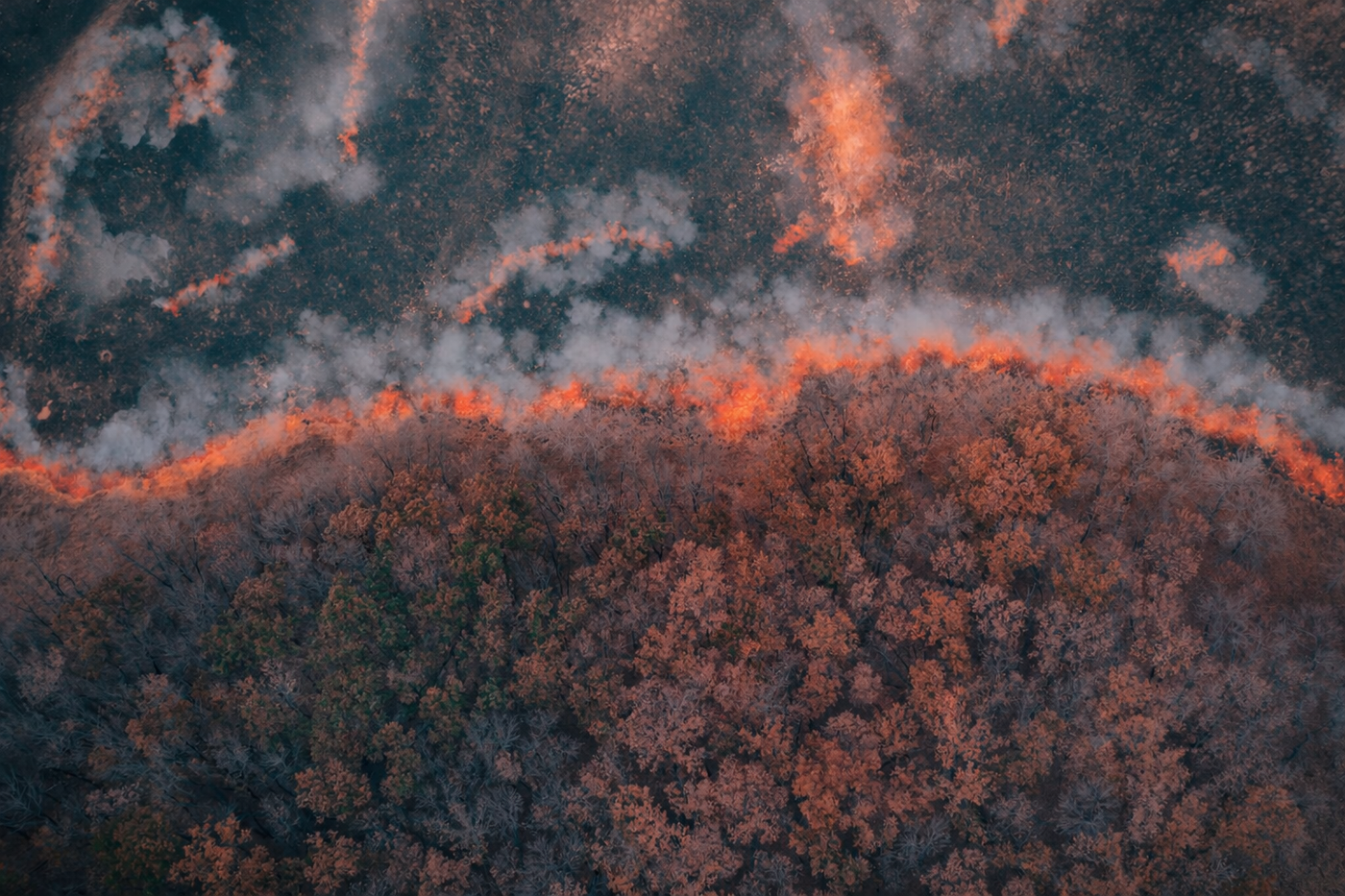
Over the past month, Victoria has been living through one of the most dangerous fire seasons in recent years. During January, more than 435,000 hectares of bushland and farmland burned. A State of Disaster was declared across 18 local government areas as long heatwaves, strong winds, and dry lightning ignited many fires. Wildlife groups were receiving over 1,100 calls each day. The intensity of the fires led to the loss of thousands of flying foxes and destroyed vital habitat for species like eastern bristlebirds and dingoes.
For those of us who spend time close to the forest floor, moments like this remind us why foraging must always be guided by ecology and care. At the height of summer, moss naturally enters a resting state to survive. Heat, low moisture, and high fire risk make gathering living moss unsafe for people and stressful for the plants. More than half of Victoria’s native vegetation has already been cleared, and at least 60 of the state’s 762 bryophyte species now face the risk of extinction. Some mosses that return after fire, such as Ceratodon purpureus and Funaria hygrometrica, are early colonisers. They move into bare soil, help hold it in place, and begin the slow process of repair. Within six months, they can cover around a third of burned ground. When these fragile green layers are disturbed, soil recovery slows and the return of diverse plant life is set back.
With this in mind, Koda Moss has chosen to pause living moss foraging until cooler and wetter conditions return. Our focus now is on care and recovery, for the landscapes we cherish and for the communities facing real hardship. Please stay aware of fire conditions, support those working in wildlife rescue and ecological restoration, and take heart in the quiet strength of moss as it patiently rebuilds what has been lost.