
Building Your Koda Moss Terrarium Kit
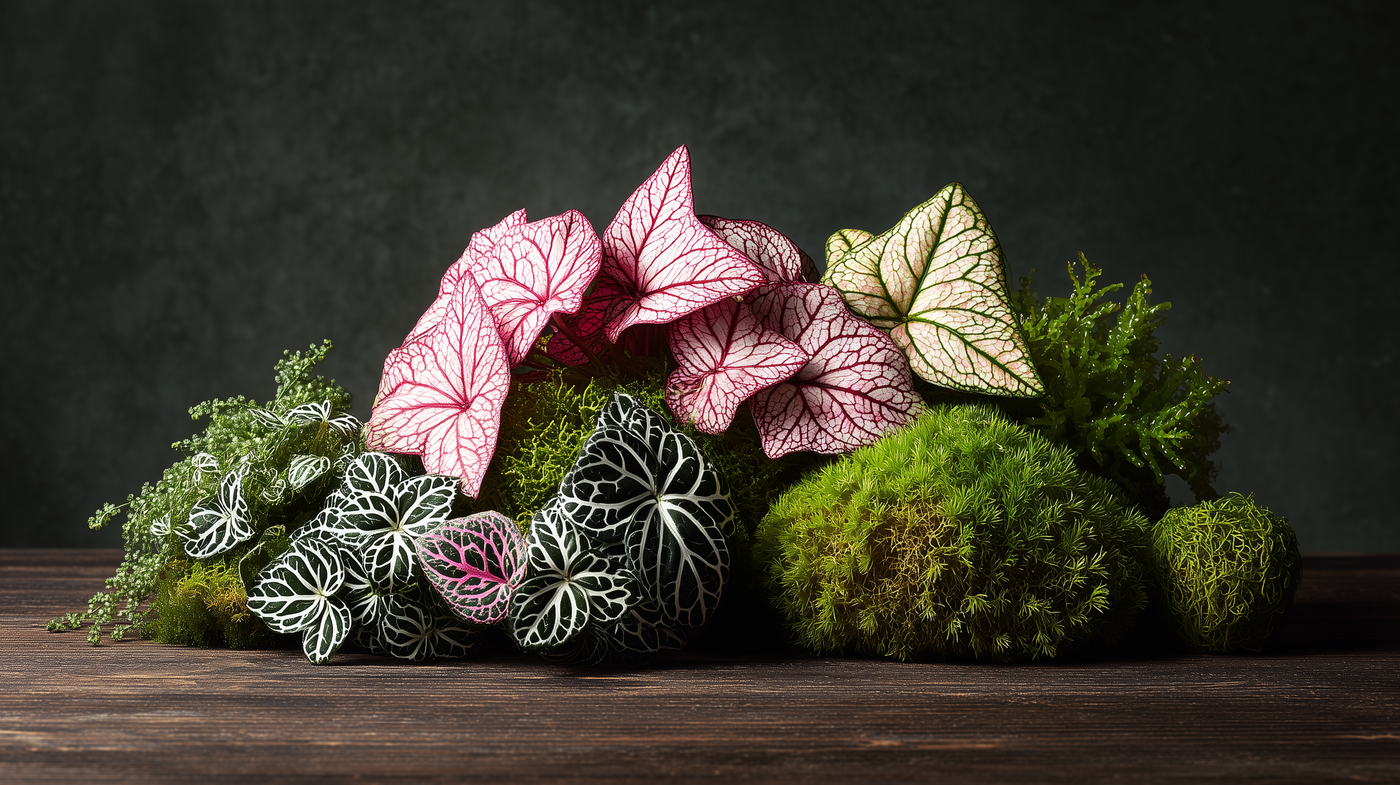
This guide is designed to supplement our physical pamphlet, providing a step-by-step walkthrough for building our DIY Terrarium Kit. If you find yourself stuck or need more detail on a particular step, you’re in the right place.
Note: We are currently developing a more extensive, in-depth masterclass guide covering advanced care and the science behind your ecosystem. Stay tuned!
What’s In Your Kit
Everything you need to create your own thriving miniature ecosystem is included in this kit. We have pre-measured the core elements to ensure your ecosystem has the perfect balance of nutrients, drainage, and filtration.
- Glass Terrarium with Clear Lid: Your ecosystem's housing.
- Drainage Rocks: To allow excess water to escape the soil.
- Horticultural Charcoal: The "lungs" of your terrarium that filters impurities and keeps water fresh.
- Sphagnum Moss: A barrier that prevents soil from falling into the drainage layer.
- Koda Moss Substrate Blend: A specific medium designed to support moss and tropical plants.
- Live Moss & Tropical Plant: The seasonal living heart of your build.
- Decorative Sand: For a finished, natural look.
- Purified Water Spray Bottle: To provide the initial moisture for the water cycle.
Phase 1: The Foundation
The health of your terrarium depends on what lies beneath the surface. These layers prevent root rot and keep the air fresh.
1. The Drainage Layer
Pour the drainage rocks into the glass bowl to form the base.
- The Goal: This layer acts as a reservoir for excess water so your plants’ roots aren't sitting in a puddle.
2. The Charcoal Filter
Sprinkle the horticultural charcoal evenly over the rocks. Don’t worry about being neat; nature isn’t.
- The Goal: This layer acts as a natural filter, absorbing odors and chemical impurities that can build up in a sealed environment over time.
3. The Sphagnum Barrier
Soak the sphagnum moss in water, then squeeze out the excess water. Tease it apart so it's loose again. Make an even layer across the surface, pressing it firmly over the charcoal to create a soft barrier.
- The Goal: This barrier keeps the soil in place and stops it from washing down into your clean drainage rocks.
- Pro Tip: Ensure the moss reaches the very edges of the glass to prevent "soil leaks" along the sides.
Phase 2: Landscaping
Now you’re building the "ground" your plants will live in.
4. Adding Substrate
Add the Koda Moss Substrate Blend and level it lightly. We’ve included extra so you can shape the landscape as you like.
- Pro Tip: Use a spoon or your knuckles to tamp the soil down slightly. This removes large air pockets that could cause plants to shift later.
5. Root Preparation
Take your tropical plant and gently loosen the root ball. Use your fingers to tease away as much soil as you can. If the soil isn't coming off, dip the root ball into a bowl of water and shake gently until the soil separates from the roots.
- The Goal: This "wakes up" the roots and allows them to grow directly into the nutrient-rich substrate provided in your kit.
- Note: If the roots are very long, you can trim the ends with clean scissors to help them fit comfortably into the soil layer.
Phase 3: Design & Detail
This is where your artistic vision comes to life.
6. Planting and Positioning
Pick where you want your plant to go; front, back, left, right, it's up to you! Make a hole where the plant will go. I usually use a chopstick. Press your plants in, and adjust until it feels right. There’s no wrong layout.
- The Goal: Ensure the base of the plant is flush with the soil line so no roots are exposed.
- Pro Tip: If your plant is too tall for the vessel, you can prune the longer leaves.
7. Mossing
Tear or cut the live moss to suit your design, then place it wherever you like. Don't worry, the moss can handle being cut or torn. Press the moss firmly down onto the soil, it needs full contact.
- The Goal: Leave natural gaps if you want the decorative sand to show through. Ensure the moss has good contact with the damp soil so it can thrive.
8. Decorative Sand
Pour the decorative sand around the moss for a clean, polished finish.
- The Goal: Sand provides a professional contrast to the greenery and adds a finished, natural look.
Phase 4: Sealing the System
9. The Final Step
Lightly mist with the provided spray bottle, peel the protective paper from both sides of the lid, and place it on top.
- The Goal: You are locking in the water cycle. The moisture will evaporate, condense on the glass, and "rain" back down on the plants.
- Maintenance: If the glass is so foggy you can't see the plants, or if water pools at the bottom, open the lid for a few hours to let excess moisture escape. If no condensation appears at all over several days, add a few more sprays of water.
Post-Build Care & Tips
To ensure your new miniature ecosystem thrives for years to come, keep these essential care tips in mind:
- Water Quality: Do not use tap water, the chemicals are too harsh and will damage the moss. The water provided in your kit is demineralised. If you must use tap water in the future, boil it for 10 minutes, let it cool completely, and store it in the fridge for future use. Rain water is best.
- Light and Heat: Avoid direct sunlight, as it can overheat the glass and scorch your plants and kill your mos. Place your terrarium in a cool spot with bright, indirect light.
- No Fertiliser Needed: You do not need to add any fertiliser. We have already enriched our Koda Moss substrate blend with organic worm castings to provide all the necessary nutrients.
- Manage Moisture: Your terrarium should never be water-logged. Remember that a drier terrarium is much easier to save than an overwatered one. Don’t make the same mistake the majority of terrarium builders do—less is always more when it comes to hydration.
If you need any help or have questions as your ecosystem settles in, please feel free to reach out to us. We hope you truly enjoyed the process of making your terrarium, and we would love to hear your feedback on how it went!
Thanks,
Emrah @ Koda Moss